
Root Canal Treatment in Izmir, Turkey
Comfortable Root Canal Treatment to Relieve Tooth Pain and Save Your Natural Tooth
We provide comfortable root canal treatment to relieve tooth pain, treat infection, and help preserve your natural tooth. Using modern dental techniques and careful treatment planning, we focus on making the procedure as comfortable as possible while restoring your tooth’s health and function.
What Is Root Canal Treatment?
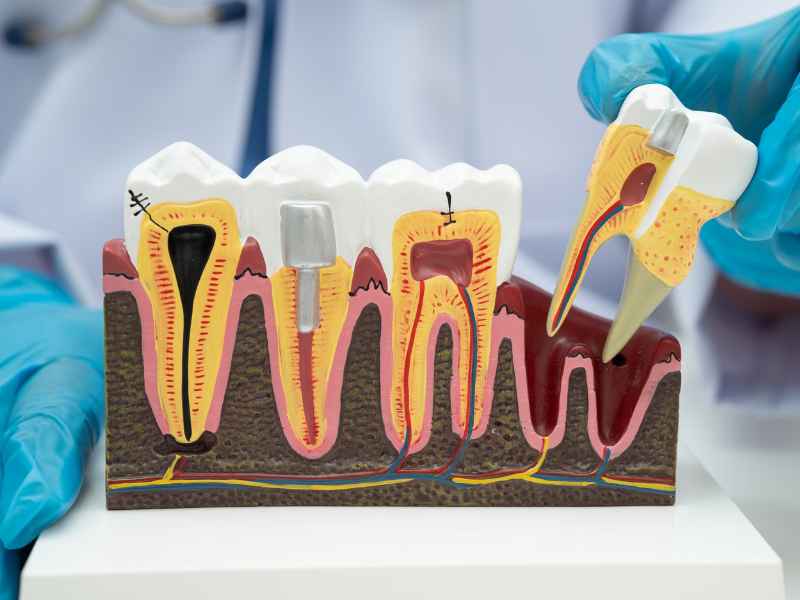
Root canal treatment is a dental procedure used to treat infection or inflammation inside a tooth when the dental pulp has become infected or damaged. Deep decay, cracks, trauma, or previous dental procedures can allow bacteria to reach the pulp, causing pain or infection that cannot be resolved through regular brushing alone. During treatment, the infected pulp is carefully removed, and the inside of the tooth is cleaned, disinfected, and sealed. A dental X-ray helps your dentist evaluate the tooth and surrounding structures to determine whether root canal treatment is the appropriate option.
Signs You May Need a Root Canal
Not every toothache requires a root canal, but certain symptoms can indicate that the inner part of a tooth may be affected. If you experience persistent dental pain or unusual sensitivity, it is important to have the tooth examined.
Persistent or Severe Tooth Pain
Pain that continues or becomes worse over time may be a sign of infection or inflammation inside the tooth. Pain when biting or chewing can also indicate that the tissues around the tooth are affected.
Sensitivity to Hot and Cold
Some sensitivity is common, but prolonged or intense sensitivity to hot or cold foods and drinks may indicate a problem with the tooth pulp.
Swelling, Tenderness, or Tooth Discoloration
Swelling around a tooth, tenderness of the gums, or darkening of a tooth can also be associated with infection or damage. Some infected teeth may have few noticeable symptoms, which is why dental examinations and X-rays are important.
Benefits of Root Canal Treatment
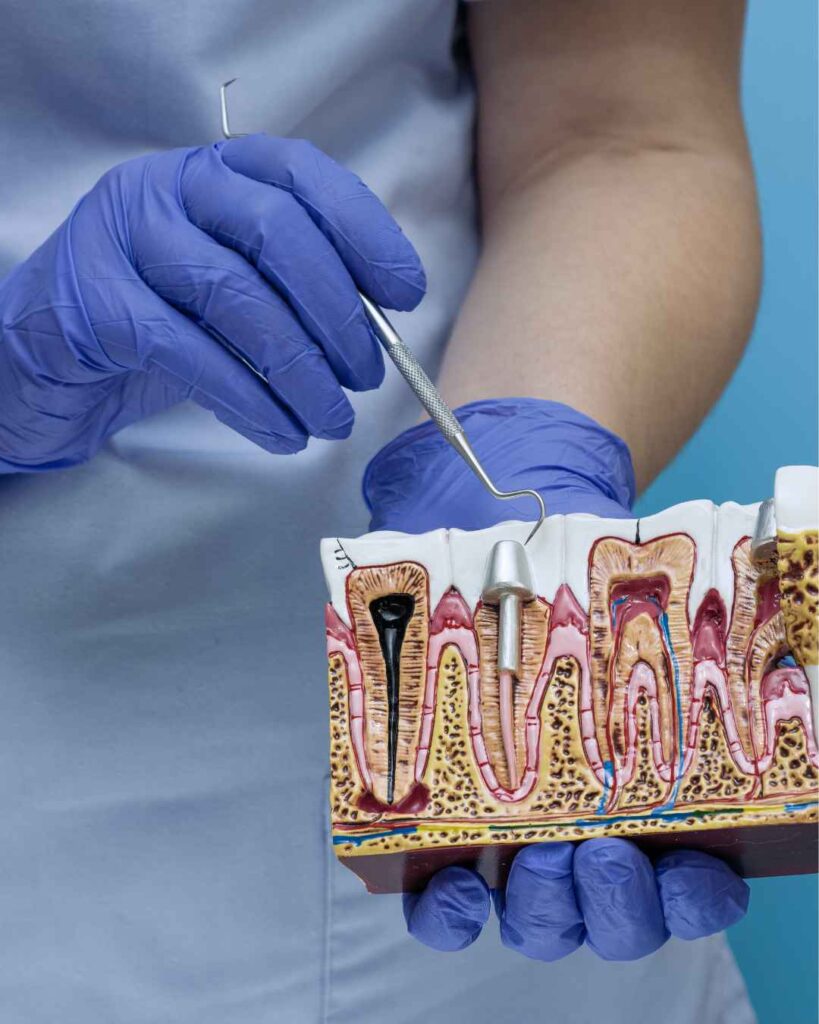
Root canal treatment can provide important benefits when a tooth has an infected or damaged pulp. Instead of removing the tooth, treatment can often allow the natural tooth to remain in place.
Relieves Pain and Treats Infection
Removing the infected pulp and cleaning the inside of the tooth addresses the source of the infection. Once the tooth has healed, the pain associated with the infection should improve.
Helps Preserve Your Natural Tooth
Whenever possible, preserving your natural tooth is preferable to extracting it. A successful root canal allows the tooth to remain in your mouth and continue supporting normal chewing and function.
Restores Normal Tooth Function
After the root canal is completed, the tooth can be restored to protect it and return it to normal use. Depending on the condition of the tooth, a dental crown or another suitable restoration may be recommended.
What to Expect During Root Canal Treatment
Root canal treatment is carefully planned based on the condition of your tooth. The procedure may require one or more appointments depending on the complexity of the infection and the type of restoration needed.
1. Examination and Dental X-Ray
Your dentist will examine the affected tooth and take a dental X-ray to evaluate the roots, surrounding bone, and extent of the problem. This information helps determine the appropriate treatment approach.
2. Local Anesthesia and Tooth Preparation
Local anesthesia is used to numb the area around the tooth. This helps make the procedure comfortable while the dentist prepares the tooth for treatment.
3. Removing the Infected Pulp
A small opening is made in the tooth, allowing the dentist to access and remove the infected or damaged pulp.
4. Cleaning and Sealing the Root Canals
The root canals are carefully cleaned and disinfected before being filled and sealed. This helps prevent bacteria from entering the treated area again.
5. Restoring the Tooth
After root canal treatment, the tooth may need a permanent restoration to protect it from further damage. A crown may be recommended for teeth that have lost significant structure.
Recovery and Aftercare After a Root Canal
Most patients can return to their normal activities relatively quickly after root canal treatment. Some tenderness or sensitivity may occur for a few days, particularly if the tooth was significantly infected before treatment.
What to Expect After Treatment
The treated area may feel slightly tender once the anesthesia wears off. This discomfort is usually temporary. Your dentist can provide appropriate aftercare instructions based on your individual treatment.
Caring for Your Treated Tooth
Good oral hygiene remains important after a root canal. Continue brushing and flossing regularly and attend recommended follow-up appointments.
If a temporary restoration has been placed, follow your dentist’s instructions regarding eating and caring for the tooth until the permanent restoration is completed.
When to Contact Your Dentist
Contact your dentist if you experience significant or persistent pain, increasing swelling, or other symptoms that concern you after treatment. Prompt follow-up can help identify and address any complications.
Frequently Asked Questions About Root Canal Treatment
Is a root canal treatment painful?
Modern root canal treatment is performed using local anesthesia to numb the area. While you may experience some pressure during the procedure, the treatment is generally designed to be comfortable. Mild tenderness may occur afterward as the area heals.
How long does a root canal treatment take?
The treatment time depends on the tooth, the complexity of the root canals, and the severity of the infection. Some root canals can be completed in one appointment, while more complex cases may require additional visits.
How do I know if I need a root canal?
Persistent tooth pain, prolonged sensitivity to hot or cold, pain when chewing, swelling, or tooth discoloration can be warning signs. However, only a dental examination and appropriate imaging can determine whether root canal treatment is necessary.
Can a root canal save my natural tooth?
In many cases, yes. Root canal treatment removes the infected pulp while allowing the remaining healthy tooth structure to stay in place. The tooth can then be restored and continue functioning normally.
How long does a tooth last after a root canal?
A properly treated and restored tooth can remain functional for many years. Its longevity depends on factors such as the amount of remaining tooth structure, the quality of the restoration, oral hygiene, and regular dental care.